

Are you tired of clutter taking over your space? Imagine having a sturdy, custom storage cabinet built by your own hands—perfectly sized for your needs and style.
Building your own storage cabinet might sound tricky, but with the right steps, tools, and a little patience, you can create something both practical and beautiful. In this guide, you’ll discover simple, clear instructions that make the process easy to follow.
Ready to take control of your space and add a personal touch to your home? Keep reading, and let’s get started on your very own storage cabinet.
Choosing The Right Materials
Choosing the right materials is key to building a strong and lasting storage cabinet. The materials affect the cabinet’s look, durability, and ease of assembly. Selecting quality wood, hardware, and tools ensures a smooth building process and a great final product.
Think about where you will place the cabinet and how much weight it must hold. These factors help decide the best wood type and hardware. Good tools make the work easier and more precise.
Types Of Wood
Wood choice impacts the cabinet’s strength and style. Common types include:
- Pine:Soft, lightweight, and affordable. Easy to work with for beginners.
- Oak:Hard, strong, and durable. Has a nice grain but costs more.
- Birch:Smooth surface, good for painting. Strong and stable.
- MDF:Made from wood fibers. Smooth but not as strong as real wood.
Pick wood that fits your budget and the cabinet’s purpose. Solid wood works well for heavy use. MDF suits painted cabinets with less weight.
Hardware Essentials
Hardware holds the cabinet parts together and affects function.
- Screws:Choose wood screws for strong joints.
- Hinges:Select durable hinges for doors. Soft-close types add smoothness.
- Handles and knobs:Pick styles that match your cabinet design.
- Brackets and corner braces:Add extra support inside the cabinet.
Good quality hardware improves the cabinet’s stability and use over time.
Tools You’ll Need
Having the right tools speeds up work and improves results.
- Measuring tape:For accurate dimensions.
- Saw:A circular saw or handsaw cuts wood pieces.
- Drill:Makes holes and drives screws.
- Screwdriver:Useful for manual adjustments.
- Clamps:Hold pieces steady while assembling.
- Sandpaper:Smooths rough edges and surfaces.
Prepare all tools before starting. This keeps the project organized and easy.
Planning Your Cabinet Design
Planning your cabinet design is a key step in building a storage cabinet. This stage helps you create a clear vision of what you want. Careful planning saves time and materials later. It ensures the cabinet fits perfectly in your space and meets your storage needs.
Measuring Your Space
Start by measuring the area where the cabinet will go. Use a tape measure to get accurate dimensions. Note the height, width, and depth of the space. Check for any obstacles like outlets or vents. Write down all measurements clearly. This helps avoid mistakes during building.
Sketching Your Layout
Draw a simple sketch of your cabinet design. Use graph paper or a digital tool for better accuracy. Mark the overall size based on your space measurements. Add shelves, doors, and drawers in your sketch. Visualizing the layout helps you plan storage zones. It also shows how the cabinet will look in the room.
Selecting Storage Features
Decide which storage features suit your needs best. Consider shelves for books or bins. Drawers work well for smaller items and tools. Doors keep dust away from stored objects. Think about adding hooks or dividers for organization. Choose features that match what you want to store.
Cutting And Preparing Wood
Cutting and preparing wood is a vital phase in building your storage cabinet. Accurate cuts ensure pieces fit perfectly, giving the cabinet a sturdy frame. Taking time to prepare wood properly saves effort during assembly and finishing.
Start by measuring and marking wood pieces carefully. Then, use safe cutting techniques to get clean, straight edges. Finally, sanding smooths the surfaces for a polished look and easy finishing.
Measuring And Marking
Measure each wood piece twice before cutting. Use a tape measure and a pencil for clear marks. Mark lines where cuts will be made with a straight edge or square tool. Check measurements against your design plan to avoid mistakes.
Safe Cutting Techniques
Wear safety glasses and ear protection while cutting. Keep fingers away from the blade path. Use clamps to hold wood steady on the workbench. Cut slowly and follow marked lines carefully. Use a saw suited to your wood type and thickness.
Sanding And Smoothing
Sand all cut edges and surfaces with medium-grit sandpaper. Smooth rough spots and splinters for safe handling. Finish with fine-grit sandpaper for a clean, even texture. Wipe off dust with a cloth before assembly or painting.

Credit: www.funkyjunkinteriors.net
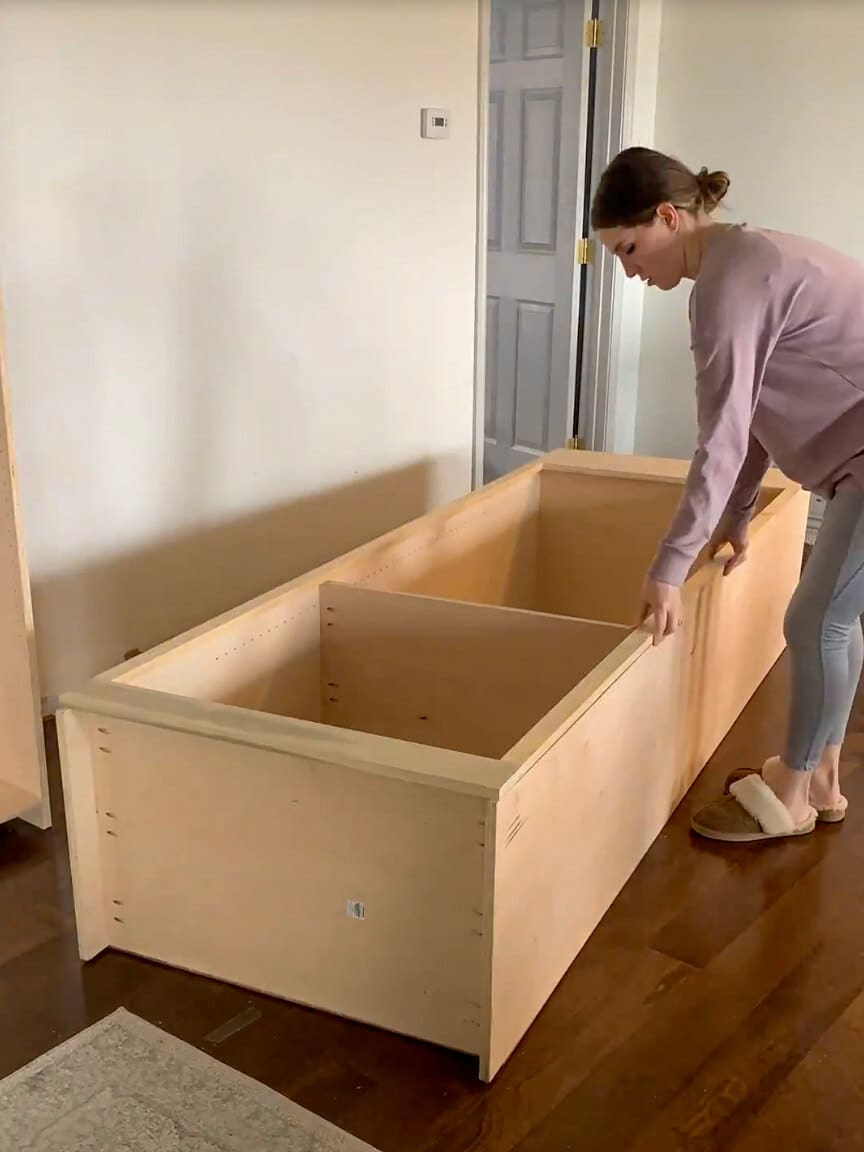
Assembling The Cabinet Frame
Assembling the cabinet frame is a crucial step in building your own storage cabinet. It forms the basic structure that supports the entire piece. Taking time to assemble it carefully ensures strength and stability. The frame must be square and secure for the cabinet to function well.
Joining Panels
Begin by aligning the side panels with the bottom and top panels. Make sure the edges meet evenly. Use clamps to hold the panels in place. This helps prevent movement during assembly. Check that the panels are flush for a clean fit.
Securing With Screws And Glue
Apply wood glue along the edges where the panels meet. This creates a strong bond. Next, drill pilot holes for the screws to avoid splitting the wood. Insert screws at each joint for extra strength. Use screws that are the correct length to hold panels firmly.
Checking For Squareness
Use a carpenter’s square to check the corners. The frame should form perfect right angles. Adjust the panels if needed before the glue dries. Squareness ensures the cabinet doors will fit properly. A square frame also improves overall stability.
Adding Shelves And Doors
Adding shelves and doors completes your storage cabinet and boosts its function. Shelves create space for items and keep things neat. Doors protect your belongings from dust and offer a clean look.
Follow simple steps to install shelves, hang doors, and attach handles. Each part fits together to form a sturdy, useful cabinet.
Installing Shelves
Measure the inside width and depth of your cabinet carefully. Cut shelf boards to fit these dimensions. Use shelf pins or brackets to hold shelves securely in place. Place pins at equal heights on both sides for balance. Slide shelves onto the pins gently. Check the shelves for stability before loading items.
Hanging Doors
Choose the correct hinges for your door style and cabinet frame. Mark hinge positions on both door and cabinet sides. Attach hinges to the door first using screws and a screwdriver. Align the door with the cabinet frame and screw hinges onto the frame. Open and close the door to check smooth movement. Adjust screws if the door hangs unevenly or sticks.
Attaching Handles And Knobs
Select handles or knobs that match your cabinet’s design and size. Mark drilling points on the door or drawer front. Use a drill bit that fits the screws for clean holes. Insert screws through the back and attach handles or knobs on the front. Tighten screws firmly but do not over-tighten. Test the handles by pulling gently to ensure they are secure.
Finishing Touches
Finishing touches give your storage cabinet a polished look. They protect the wood and help it last longer. These final steps enhance both beauty and durability. Take your time to complete them carefully.
Painting Or Staining
Choose paint or stain based on your style and the wood type. Paint offers color variety and hides imperfections. Stain highlights the natural wood grain and adds warmth.
Use a brush or roller for even coverage. Apply thin coats to avoid drips. Let each coat dry fully before adding the next. Sand lightly between coats for a smooth finish.
Applying Protective Coating
A protective coating shields your cabinet from scratches and moisture. Polyurethane is a popular choice for durability. Apply it with a clean brush, moving in long strokes.
Allow the coating to dry in a dust-free space. Lightly sand between coats to keep the surface smooth. Two to three coats provide the best protection.
Final Inspection And Adjustments
Check all cabinet parts for tightness and alignment. Open and close doors or drawers several times. Adjust hinges or slides if needed to ensure smooth movement.
Look for any rough spots or missed areas in the finish. Fix these with light sanding or an extra coat. Your cabinet is ready when it looks clean and functions well.
Tips For Maintenance And Durability
Keeping your storage cabinet in good shape extends its life. Simple care practices help maintain its look and strength. Focus on cleaning, fixing small issues, and avoiding errors.
Regular Cleaning
Dust and dirt can damage the wood or finish. Wipe the cabinet with a soft cloth often. Use mild soap and water for tougher spots. Avoid harsh chemicals that can harm surfaces. Dry the cabinet fully after cleaning to stop moisture damage.
Handling Repairs
Fix small problems quickly to avoid bigger damage. Tighten loose screws and hinges as soon as you find them. Fill cracks or holes with wood filler. Sand and repaint worn areas to protect the wood. Check doors and drawers for smooth movement and repair as needed.
Avoiding Common Mistakes
Do not overload shelves beyond their weight limit. Keep the cabinet away from direct sunlight to prevent fading. Avoid placing it near heat sources to stop warping. Use coasters or mats under items that might scratch or stain. Follow the care advice provided with your materials and finishes.

Credit: www.youtube.com
Credit: crystelmontenegrohome.com
Frequently Asked Questions
What Materials Are Needed For A Storage Cabinet?
To build a storage cabinet, you’ll need plywood, screws, wood glue, and a saw. Additional materials include hinges, handles, and a drill. Select quality materials for durability. Consider paint or varnish for finishing. Gather everything before starting to ensure a smooth building process.
How Long Does It Take To Build?
Building a storage cabinet typically takes one to two days. Time varies based on complexity and your skill level. Plan your project well to avoid delays. Ensure all materials and tools are ready. Allocate extra time for painting or finishing.
What Tools Are Required For Construction?
You’ll need a saw, drill, screwdriver, and measuring tape. A level and square ensure accuracy. Sandpaper or a sander smoothens surfaces. Clamps hold pieces securely while assembling. These tools help create a professional-looking cabinet efficiently.
Can Beginners Build A Storage Cabinet?
Yes, beginners can build a storage cabinet with basic skills. Start with a simple design and follow detailed plans. Online tutorials and guides offer step-by-step instructions. With patience and care, even novices can succeed in this DIY project.
Conclusion
Building your own storage cabinet brings pride and saves money. You choose the size, style, and materials that fit your space. Taking time to measure and plan helps avoid mistakes. Using basic tools and steps makes the project easier. Each cut and screw adds to your skill and confidence.
Soon, you’ll enjoy a cabinet that holds your things neatly. Try this project to create useful furniture with your own hands. Simple, practical, and rewarding.


