

Do you have extra storage space on your PC but aren’t sure how to make the most of it? Imagine turning that unused space into a powerful tool that speeds up your work, organizes your files, and even boosts your system’s performance.
You’ll discover simple and effective ways to use your extra storage so it works for you—not the other way around. Ready to unlock the full potential of your PC’s storage? Let’s dive in.
Assess Current Storage Usage
Assessing your current storage usage is the first step to managing extra storage on your PC. It helps you understand what takes up space and where you can free up room. A clear picture of your storage lets you organize files better and avoid running out of space unexpectedly.
Check Disk Space
Start by checking how much disk space is available on your PC. Open the file explorer and select your main drive, usually labeled “C:”. Right-click and choose “Properties” to see total and free space. This quick check shows if your storage is nearly full or if you have plenty of room to add more files.
Identify Large Files
Look for files that use the most space. Large videos, software installers, or old backups often fill up storage fast. Use tools like Windows Storage Sense or third-party apps to scan and list big files. Removing or moving these files to an external drive can free up significant space.
Analyze Storage Distribution
Review how your storage divides among different folders and file types. Check documents, pictures, music, and system files separately. This analysis helps spot categories that consume more space than necessary. You can then decide what to delete, archive, or relocate to optimize storage use.
Credit: www.xda-developers.com
Clean Up Unnecessary Files
Cleaning up unnecessary files frees up space and improves your PC’s speed. Unwanted files build up over time, taking valuable storage. Removing them creates room for important data and applications. Focus on temporary files, duplicates, and caches to clear clutter.
Remove Temporary Files
Temporary files store data for short-term use. They include installation files, system caches, and app leftovers. These files pile up and waste storage. Use built-in tools like Disk Cleanup on Windows. Select temporary files and delete them safely. This process recovers significant disk space quickly.
Delete Duplicate Files
Duplicate files are copies of the same data. They appear after backups, downloads, or edits. Duplicates confuse your system and fill storage. Use free duplicate file finders to scan your PC. Review results carefully before deleting copies. Removing duplicates helps tidy your files and saves storage.
Clear Cache And Logs
Caches speed up apps by storing data locally. Logs record system and app activities. Both grow large and slow down your PC. Clearing caches and logs reduces clutter and frees space. Use system settings or cleaning apps to delete these files. Regular clearing keeps your PC running smoothly.
Organize Files And Folders
Organizing files and folders helps keep your PC storage neat and easy to manage. It saves time when searching for documents. A clear structure improves your workflow and reduces clutter. Small changes in organization make a big difference.
Create A Logical Folder Structure
Start by grouping files into main folders based on their type or project. Use subfolders to break down categories further. Keep the structure simple and consistent. Avoid too many nested folders that confuse users. This method helps find files quickly and keeps the system tidy.
Use File Naming Conventions
Name files with clear, descriptive titles. Include dates or versions to track updates. Avoid special characters and long names that cause errors. Use underscores or dashes instead of spaces. Consistent naming makes sorting and searching easier.
Archive Old Data
Move old or unused files to an archive folder. Compress files to save space when possible. Regularly review archives and delete what is no longer needed. Archiving keeps active storage free and improves PC speed.

Credit: www.youtube.com
Leverage External Storage Options
External storage options give you more space without opening your PC. These devices store files safely and free up your computer’s internal drive. They are easy to connect and use. Choose the right one based on your needs and budget.
Use External Hard Drives
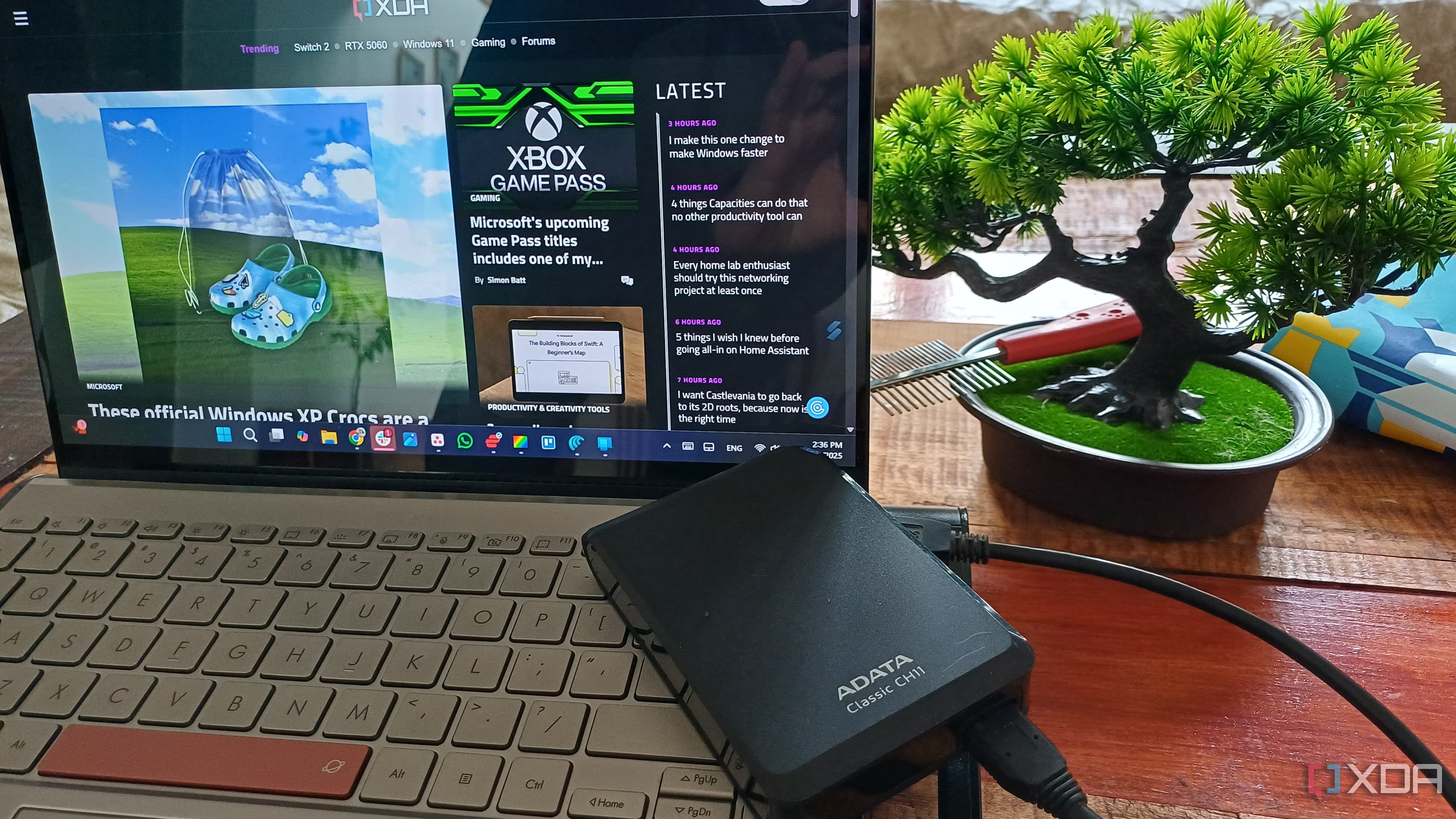
External hard drives offer large storage capacity. They connect via USB or Thunderbolt ports. These drives store documents, photos, videos, and backups. They work well for heavy data and long-term storage. Portable models fit in bags for easy transport. Desktop models need a power source but hold more data. Use them to keep your PC fast and responsive.
Utilize Usb Flash Drives
USB flash drives are small and lightweight. They plug directly into USB ports. Flash drives provide quick access to files. They are perfect for transferring documents between devices. Their storage ranges from a few gigabytes to hundreds. Use flash drives for temporary storage and sharing. They don’t need external power and are easy to carry.
Explore Network Attached Storage
Network Attached Storage (NAS) connects to your home or office network. Multiple devices can access files stored on NAS. It acts as a personal cloud for your data. NAS devices offer large storage with fast access. They support automatic backups and file sharing. Use NAS to centralize data and improve collaboration. It is a smart option for homes and small businesses.
Optimize Storage Settings
Optimizing your PC’s storage settings helps manage space efficiently. It keeps your system running smoothly. Proper settings reduce clutter and free up extra storage. You can automate cleanup and backups to save time. This section explains simple ways to optimize storage on Windows PCs.
Enable Storage Sense On Windows
Storage Sense automatically frees up space by deleting unnecessary files. It removes temporary files and empties the recycle bin regularly. To activate Storage Sense, open Settings and go to System > Storage. Turn on Storage Sense and choose how often it runs. You can set it to run daily, weekly, or monthly. This tool helps keep your storage clean without manual work.
Use Disk Cleanup Tools
Disk Cleanup removes unwanted files that take up space. It targets system files, temporary files, and old updates. Open Disk Cleanup by typing it in the Start menu search bar. Select the drive you want to clean, usually C:. Check the boxes for files to delete. Click “Clean up system files” for deeper cleanup options. Running this tool regularly prevents slowdowns caused by junk files.
Set Up Automatic Backups
Automatic backups protect your data and free local storage. Use Windows Backup or OneDrive to save files to the cloud or external drives. Go to Settings > Update & Security > Backup to start. Turn on “Back up using File History” and select a backup drive. Schedule backups to run at regular intervals. This keeps your files safe and clears space on your main drive.
Upgrade Internal Storage
Upgrading your PC’s internal storage is a smart way to gain more space and improve performance. It lets you store more files and apps directly on your computer. Choosing the right storage upgrade depends on your needs for speed, capacity, and budget.
Install Larger Hard Drives
Replacing your current hard drive with a larger one increases storage capacity easily. Hard drives (HDDs) are cost-effective for storing lots of data. They work well for storing photos, videos, and documents. Installation usually requires opening your PC case and swapping the drives. Make sure to back up your data before starting.
Switch To Ssds For Speed
Solid State Drives (SSDs) offer faster data access than traditional hard drives. They improve boot times and app loading speeds. SSDs have no moving parts, so they are more reliable and quieter. Installing an SSD can make your PC feel much faster. Use SSDs for your operating system and frequently used programs.
Consider Hybrid Storage Solutions
Hybrid storage combines HDDs and SSDs in one system. This setup balances storage capacity and speed. The SSD stores important files and software, while the HDD holds larger, less-used data. Hybrid drives can also automatically move data between the two types. This option suits users wanting both performance and ample storage.
Use Cloud Storage Services
Cloud storage services offer an easy way to expand your PC’s storage without buying extra hardware. They store your files online, so you can access them anytime and anywhere. Using cloud storage helps keep your PC light and fast by moving large files off your local drive.
Cloud services also provide backup options, protecting your data from loss. Managing your files in the cloud keeps everything organized and safe. Here are some tips to make the most of cloud storage for your PC.
Choose The Right Cloud Provider
Pick a cloud provider that fits your needs and budget. Look at storage limits, pricing, and ease of use. Check if the provider offers apps for your PC and mobile devices. Security features like encryption and two-factor authentication are important. Popular options include Google Drive, Dropbox, and OneDrive.
Sync Files Selectively
Sync only the files you need on your PC. This saves space and reduces clutter. Use selective sync settings to choose folders for offline access. Keep rarely used files stored only in the cloud. Sync important documents and projects to have them ready anytime.
Manage Cloud Storage Efficiently
Regularly check your cloud storage to avoid running out of space. Delete old files and duplicates to free up storage. Organize files into folders for easy navigation. Use built-in tools to monitor storage usage. Back up important files before deleting local copies.
Monitor And Maintain Storage Health
Maintaining your PC’s storage health is key to using extra space effectively. Healthy storage prevents data loss and keeps your system running smoothly. Regular monitoring helps spot issues before they cause problems. Simple care steps extend your storage device’s life and performance.
Regularly Check Disk Health
Check your disk health often to catch errors early. Use built-in tools like Windows’ CHKDSK or third-party apps. These tools scan for bad sectors and file system problems. Fixing issues quickly avoids bigger damage and data loss.
Defragment Hard Drives
Defragmentation organizes data on your hard drive for faster access. This process rearranges fragmented files into continuous spaces. It improves read and write speeds on traditional HDDs. Schedule defragmentation monthly or use automatic settings in your OS.
Update Storage Drivers
Keep storage drivers updated for best device performance. Drivers control how your PC communicates with storage hardware. Manufacturers release updates to fix bugs and improve speed. Check for updates through Device Manager or the manufacturer’s website.
Credit: www.partitionwizard.com
Frequently Asked Questions
How Can I Free Up Extra Storage On My Pc?
You can free up space by deleting unused files, uninstalling apps, and clearing temporary data. Use Disk Cleanup or storage settings to identify large files. Regular maintenance prevents storage overload and improves PC performance effectively.
What Are The Best External Storage Options For Pc?
External hard drives, SSDs, and USB flash drives are popular choices. They offer easy portability, high capacity, and fast data transfer. Choose based on your storage needs, budget, and usage frequency for optimal results.
How Do I Manage Extra Storage Efficiently On Windows?
Use built-in tools like Storage Sense to automate cleanup. Organize files into folders and back up important data. Regularly review and delete unnecessary files to keep your storage optimized and your PC running smoothly.
Can Cloud Storage Help Utilize Extra Pc Storage?
Yes, cloud storage offers remote file access and saves local space. Services like Google Drive and OneDrive sync files automatically. It’s ideal for backup and sharing, but requires a stable internet connection.
Conclusion
Extra storage on your PC offers many benefits. It keeps your files organized and safe. You gain more space for photos, videos, and important documents. Regular backups prevent data loss. Explore cloud options for easy access. Remove unwanted files to free up space.
Optimize your PC’s performance with smart storage solutions. Use external drives for extra capacity. Managing storage boosts efficiency and productivity. A tidy PC means a stress-free experience. Enjoy a smoother and faster computer. Start using your extra storage today for a more organized digital life.


