

Imagine a world where your important documents are scattered all over the place, making it nearly impossible to find what you need when you need it. Frustrating, right?
This is where the concept of filing cabinet data storing comes to the rescue. It’s more than just a piece of office furniture; it’s a system designed to keep your life organized, your documents secure, and your mind at ease.
But what exactly is filing cabinet data storing, and how can it transform the way you manage your information? By understanding this simple yet effective method, you can unlock a level of efficiency and peace of mind you never thought possible. Dive into this article to discover how filing cabinets can revolutionize the way you handle your data, ensuring that everything is always at your fingertips.
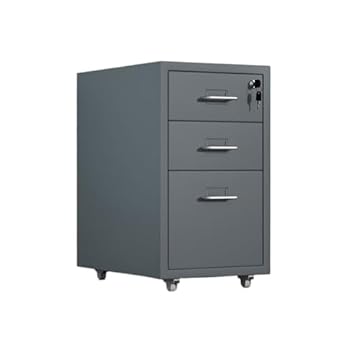
Credit: www.amazon.ie
Filing Cabinet Basics
The filing cabinet is more than just a piece of office furniture; it’s a cornerstone of traditional data storing. Whether you are organizing documents at home or managing records at work, understanding the basics of filing cabinets is essential. They offer a tangible method to keep your papers in order, making retrieval quick and efficient.
Purpose And Functionality
Filing cabinets serve a straightforward purpose: to store and organize physical documents. They ensure your important papers are not only safe but also easily accessible. Imagine the last time you frantically searched for a crucial document before a meeting. A well-organized filing cabinet could have saved you that panic.
Functionality is key. Most filing cabinets come with drawers designed to hold file folders in a vertical or lateral format. They often have labels, allowing you to categorize and find files without hassle. Consider how much time you could save when everything has its designated place.
Common Types
Filing cabinets come in various types, each catering to different needs. The most common are vertical and lateral cabinets. Vertical cabinets are tall and narrow, ideal for small spaces. They store files front to back, which can be convenient for quick access.
Lateral cabinets, on the other hand, are wider and shorter. They allow files to be stored side by side, offering a broader view of your documents. These are perfect for large offices with extensive paperwork. Which type suits your space and workflow best?
There are also specialty cabinets for specific purposes, like fireproof models or mobile units with wheels. These cater to unique needs, offering extra security or flexibility. Have you ever considered how a specialty cabinet could enhance your filing system?
Organization Techniques
Organizing a filing cabinet can seem challenging. But with the right techniques, it becomes simple. Proper organization ensures easy access and retrieval of documents. Each system offers unique benefits. Choose one that suits your needs.
Alphabetical Systems
Alphabetical organization is straightforward. Arrange files by the first letter of the title or name. This method works well for names and titles. It helps in quick locating of specific files. For example, arrange client files alphabetically by last name.
Numerical Systems
Numerical systems use numbers for organization. Assign a unique number to each file. This system is efficient for large volumes. It reduces confusion and is easy to maintain. Hospitals often use numerical systems for patient records.
Color Coding
Color coding adds a visual element to filing. Assign different colors to categories or sections. This system enhances quick identification. It reduces time spent searching for files. Schools often use color coding for student files.
Optimizing Space
Optimizing space in your office is crucial for maintaining an organized and efficient work environment. A filing cabinet can be a great solution for storing documents, but selecting the right one and using it effectively requires some thought. Let’s explore some strategies to maximize the space in your filing cabinet.
Vertical Vs. Horizontal Cabinets
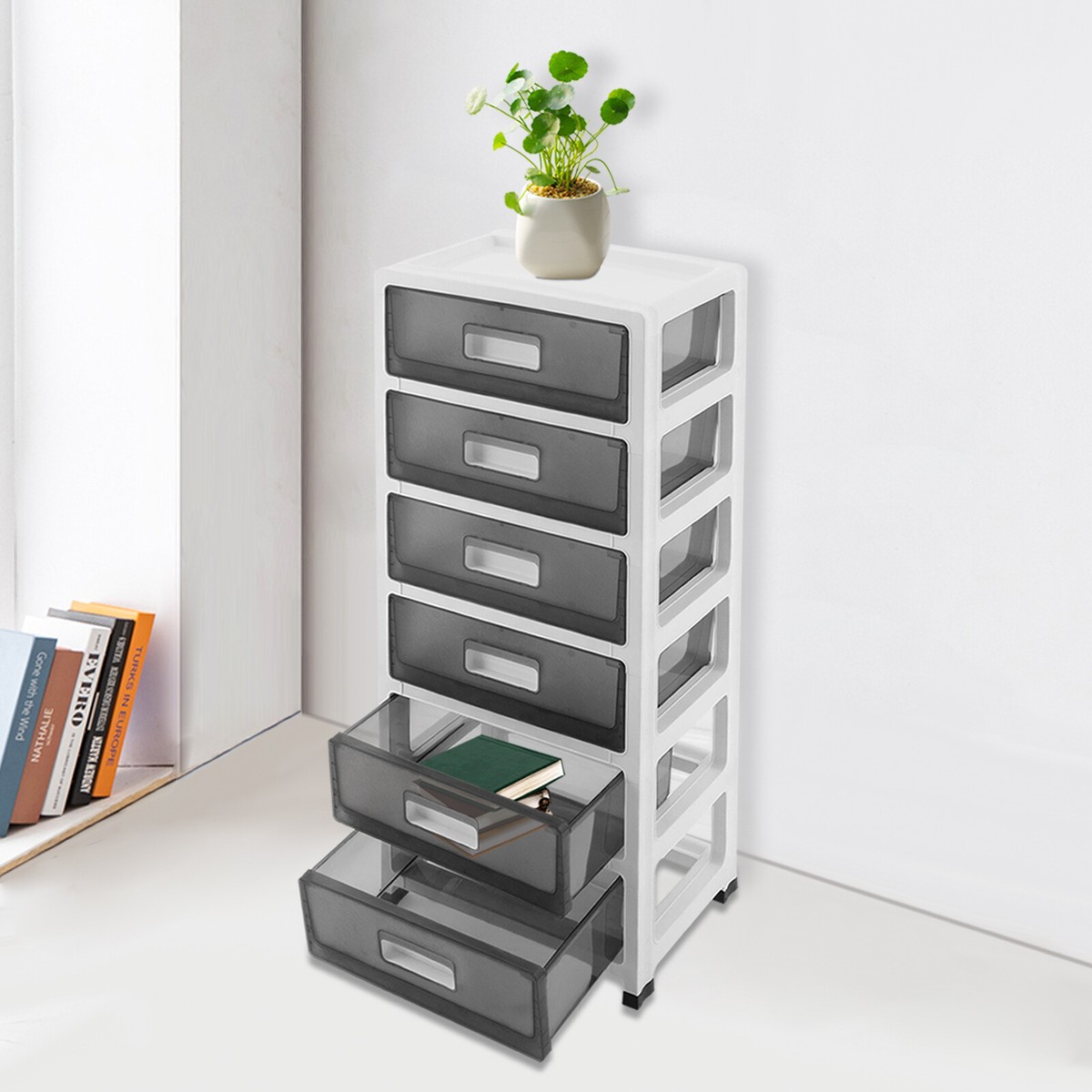
Choosing between vertical and horizontal filing cabinets can significantly impact your office layout. Vertical cabinets are taller and narrower, making them ideal for small spaces with limited floor area. They offer more drawers in a compact footprint, perfect for storing a large volume of documents without consuming too much space.
On the other hand, horizontal cabinets are wider and shorter, which can double as a workspace. They are suitable for offices with wider spaces, and their top surfaces can be used for placing printers or additional office supplies. Consider the dimensions of your office and the kind of accessibility you require before making a choice.
Utilizing Drawer Dividers
Drawer dividers are an effective way to keep your filing cabinet organized and make the best use of available space. By compartmentalizing each drawer, you can categorize documents for quicker retrieval. This method not only saves time but also helps in maintaining a clutter-free cabinet.
Imagine how much easier it is to find a document when everything has its designated place. Use adjustable dividers for flexibility as your storage needs change. It’s a small investment that can lead to significant improvements in organization and efficiency.
Have you ever struggled to find a document in a sea of files? Drawer dividers can make this frustration a thing of the past. They create order out of chaos, ensuring your important papers are always within easy reach.
Credit: www.ebay.com
Security Measures
Filing cabinet data storing involves organizing and securing important documents in metal or wood cabinets. Lockable drawers protect sensitive information from unauthorized access. This method provides a tangible way to keep data safe and accessible when needed.
Security measures are crucial for filing cabinet data storage. They ensure that sensitive information remains protected from unauthorized access, damage, or loss. In today’s world, where data breaches and unforeseen disasters are common, it is vital to prioritize security in filing cabinet solutions.
Locking Mechanisms
Modern filing cabinets offer advanced locking systems. Key locks are the most common type, providing basic security. Combination locks offer a higher level of protection. They eliminate the risk of losing keys. Electronic locks, on the other hand, provide convenience and enhanced security. They allow for easy access control and monitoring. Some cabinets also feature dual-lock systems for added security.
Fireproofing Options
Fireproof filing cabinets protect documents from fire damage. These cabinets are made from fire-resistant materials. They can withstand high temperatures for extended periods. Models vary in their resistance levels. Some offer protection for up to an hour, while others can last two hours or more. Investing in fireproof cabinets ensures crucial documents remain intact during unexpected fires.
Digital Integration
In today’s fast-paced world, digital integration has transformed the way we store and access information. Filing cabinet data storing is evolving, blending traditional methods with modern technology to create more efficient systems. Imagine accessing crucial documents from anywhere, anytime, without rummaging through stacks of paper. This integration not only saves time but also enhances the security and accessibility of your data.
Hybrid Systems
Hybrid systems offer the best of both worlds—combining physical filing cabinets with digital storage solutions. This approach allows you to maintain a tactile connection with important documents while ensuring they’re backed up digitally. It’s like having a safety net; your physical files are complemented by digital copies that you can access remotely. Consider using scanners to digitize your documents, creating a seamless bridge between old and new practices.
Digital Backup Solutions
Are you prepared for unexpected data loss? Digital backup solutions are your safeguard against potential disasters like fires or floods. By storing your files in the cloud or on external hard drives, you ensure that your information remains intact even if physical copies are compromised. Regularly updating these backups is crucial. Imagine losing years of records due to a system failure—backup solutions offer peace of mind and continuity.
Credit: www.integritymfgllc.com
Maintenance Tips
Proper maintenance of filing cabinets ensures efficient data storage. Regular upkeep prevents clutter and improves accessibility. Here are key tips to maintain your filing cabinet system effectively.
Regular Audits
Conduct audits to assess your filing system’s health. Check for misplaced documents and reorganize them promptly. This practice keeps everything in order and easy to find. Audits also help identify outdated files that need attention.
Set a schedule for these audits. Monthly checks are a good starting point. Adjust the frequency based on your document flow. Regular audits save time and reduce stress over finding important files.
Document Disposal
Dispose of unnecessary documents responsibly. This frees up space and keeps your cabinet clutter-free. Create a disposal policy that outlines which documents to discard. Follow legal requirements for document retention and destruction.
Use shredders for sensitive information. This protects confidential data from unauthorized access. Proper disposal maintains both organization and security. It also ensures your filing system remains efficient and up-to-date.
Frequently Asked Questions
What Is Filing Cabinet Data Storing?
Filing cabinet data storing is a traditional method of organizing physical documents. It involves using cabinets with drawers to store files systematically. This method offers easy access to hard copies and helps maintain document security. It is suitable for businesses needing tangible records in an organized manner.
How Does Filing Cabinet Storage Work?
Filing cabinet storage works by categorizing documents into labeled folders. These folders are placed in drawers within cabinets. Each drawer can be designated for specific document types or departments. This structure ensures easy retrieval and efficient management of physical paperwork.
It helps maintain order and accessibility in document handling.
Why Use Filing Cabinets For Data Storage?
Filing cabinets provide a secure and organized way to store documents. They offer durability and easy access to hard copies. Cabinets help maintain document confidentiality and protect against damage. This storage method is ideal for businesses needing a physical record system and efficient document management.
What Are Benefits Of Physical Data Storage?
Physical data storage ensures tangible records and easy access to documents. It offers security and protection against digital threats. This method is reliable for businesses needing hard copies. It helps in maintaining document integrity and confidentiality. Physical storage provides a straightforward way to organize and retrieve files.
Conclusion
Filing cabinet data storing keeps your documents safe and organized. It offers easy access to important papers. No more searching through piles of clutter. You save time by knowing exactly where things are. It’s a reliable method for keeping your files in order.
Perfect for both home and office use. This system helps manage your space efficiently. A neat solution for your paperwork needs. Explore different cabinet types to fit your style. Enhance your productivity with a tidy workspace. Simple, effective, and practical for everyone.
Keep your documents secure and easy to find.


