

Are you making the most out of your storage space? Whether you’re managing a warehouse, an office, or even your home, improving storage capacity utilization can save you time, money, and frustration.
Imagine finding everything you need quickly and having extra room to grow without the headache of clutter. You’ll discover simple, actionable tips to optimize your storage, boost efficiency, and create a more organized environment. Keep reading to unlock the secrets that will transform how you use your space—starting right now.

Credit: www.mdpi.com
Assess Current Storage Usage
Assessing your current storage usage is the foundation for improving how efficiently you use space. Without a clear understanding of what you have and how it’s organized, you risk wasting valuable room. Taking the time to evaluate your storage setup will reveal hidden opportunities to optimize.
Conduct A Space Audit
Start by walking through your storage areas and measuring the actual space. Note the dimensions of shelves, bins, and open floor areas. Use a simple checklist or spreadsheet to document what’s stored where and how much space each item occupies.
During a recent audit in my own warehouse, I discovered that 20% of shelving units were only half full. This insight helped me rearrange inventory and free up a whole aisle for new stock. Have you ever measured your space just to realize it’s not being fully used?
Identify Underutilized Areas
Look for spots that consistently have low activity or sparse contents. These might be high shelves rarely accessed or corners where items are just dumped without order. Pinpointing these areas lets you decide whether to reorganize, repurpose, or remove them.
Sometimes, underused space is a sign of misplaced inventory or poor labeling. Ask yourself: Are there areas you avoid because they’re cluttered or hard to reach? Improving these zones can boost overall capacity without adding physical space.
Analyze Inventory Patterns
Review how often you move or restock different items. Identify fast movers that need quick access and slow movers that can be stored further away. Tracking these patterns helps you allocate space more logically, reducing clutter and retrieval time.
For example, after analyzing my inventory flow, I shifted frequently picked products closer to the packing area. This small change cut picking time by 15% and made the storage space feel less cramped. What patterns in your inventory could you leverage to better organize your storage?
Optimize Layout And Design
Optimizing the layout and design of your storage space can significantly increase its capacity. Thoughtful arrangement helps you fit more items in less space. It also makes finding and retrieving items faster. Small changes in design can lead to big gains in efficiency.
Implement Vertical Storage
Use the height of your storage area by adding shelves or racks that reach upward. Vertical storage uses wall space that often goes unused. This method keeps floors clear and maximizes available volume. Store less-used items higher up and frequent items within easy reach.
Use Modular Shelving
Modular shelving allows flexible adjustment of shelf height and width. It adapts to different item sizes and shapes. Easily rearrange shelves as your storage needs change. This flexibility reduces wasted space between shelves and keeps storage neat.
Create Clear Pathways
Design wide, clear pathways for easy access to all stored items. Avoid clutter in aisles to speed up movement. Clear paths improve safety and reduce damage risks. Mark pathways if needed to maintain order and flow in the space.
Adopt Efficient Storage Systems
Adopting efficient storage systems can significantly boost how well you use your available space. Instead of adding more square footage, smarter systems help you organize better and access items faster. This means less clutter, fewer misplaced products, and more room to grow your operations.
Install Mobile Racking
Mobile racking systems let you move entire rows of shelving on tracks, opening up aisle space only when you need it. This approach can increase your storage density by up to 50% because you eliminate multiple fixed aisles.
Think about a warehouse I visited where mobile racking saved so much space that they avoided building an extra storage unit. Could you use this flexibility in your space to store more without expanding your facility?
Use Automated Solutions
Automation like conveyor belts, robotic pickers, or automated storage and retrieval systems (AS/RS) reduces the space needed for human access. They can store items in tighter configurations since machines don’t require wide aisles.
Automation also speeds up picking and inventory management, cutting down errors. If your storage feels cramped, could adding automation help you fit more products while improving efficiency?
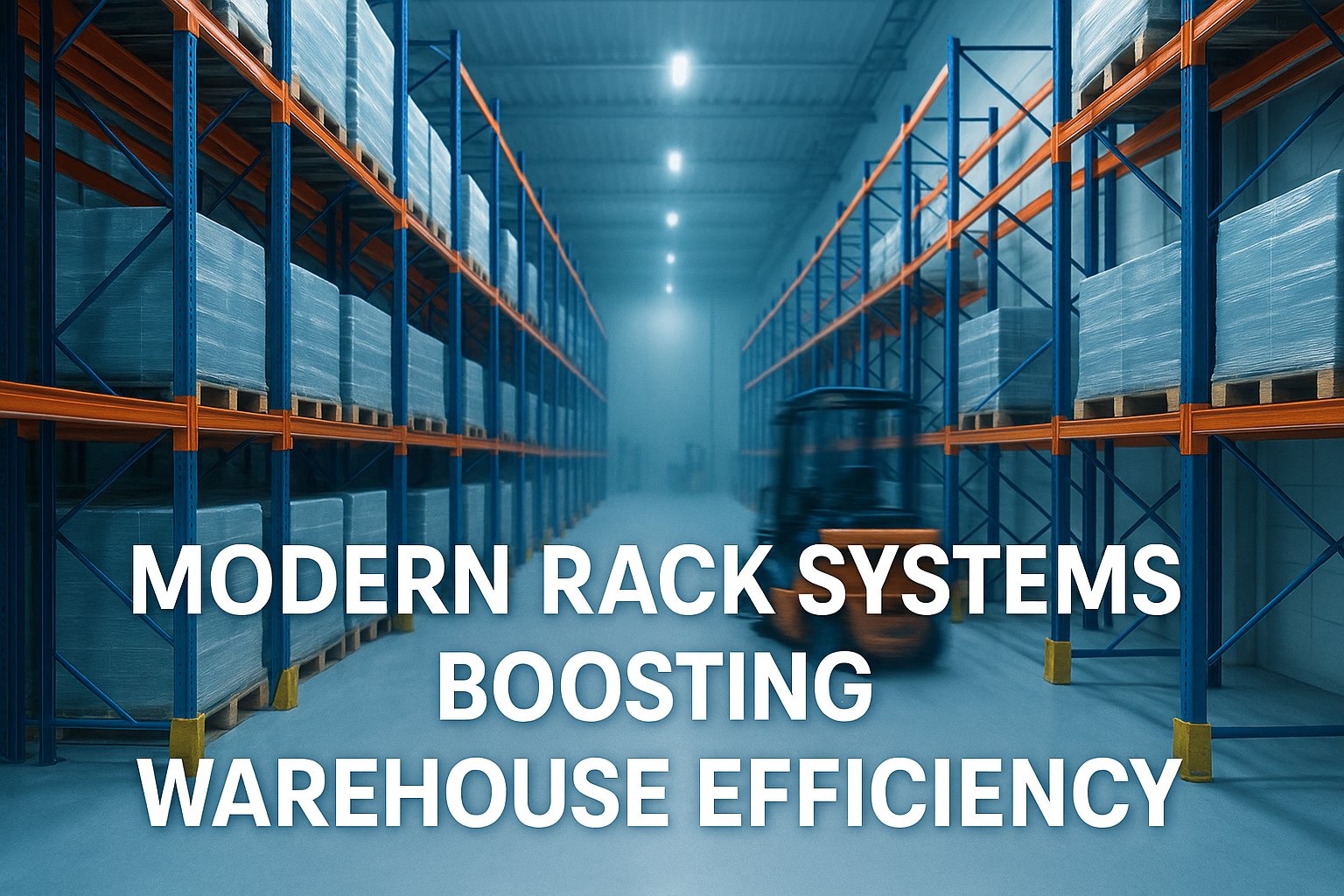
Incorporate Pallet Racking
Pallet racking organizes heavy goods vertically, making full use of your warehouse height. By stacking pallets safely and accessibly, you free up floor space for other activities.
Adjustable pallet racks can be tailored to different pallet sizes, maximizing space use. Are your current racks flexible enough to adapt as your inventory changes?
Credit: www.partitionwizard.com
Improve Inventory Management
Improving inventory management plays a crucial role in maximizing your storage capacity utilization. When you manage your stock efficiently, you avoid overstocking and understocking, both of which waste valuable space. Effective inventory control helps you keep just the right amount of products on hand, freeing up room for new items and reducing clutter.
Apply Just-in-time Practices
Just-In-Time (JIT) inventory means receiving goods only as you need them. This approach reduces the amount of stock sitting in your warehouse, cutting down on storage costs and space usage. Have you ever noticed how excess inventory can hide important items or slow down your workflow? JIT can help prevent that by keeping your stock fresh and manageable.
To implement JIT, build strong relationships with reliable suppliers who can deliver quickly. Regularly communicate your demand forecasts so they can adjust their production schedules accordingly. This way, you get materials exactly when you need them without filling up your storage areas.
Regularly Review Stock Levels
Checking your stock levels frequently helps you spot slow-moving or obsolete items before they take up too much space. Set a routine to audit your inventory, whether weekly or monthly, depending on your business size. This habit keeps your storage organized and ensures you’re not holding onto products that don’t sell.
Use your review sessions to identify trends. Are certain items piling up? Could you offer promotions to move them faster? Regular stock reviews allow you to make informed decisions that directly improve your storage utilization.
Use Inventory Management Software
Technology can take the headache out of tracking your inventory. Inventory management software provides real-time data on stock levels, locations, and order status. With this information at your fingertips, you can avoid overordering and better plan your storage space.
Many tools offer features like automatic reorder alerts and detailed reports, which help you stay ahead of demand changes. Have you tried using software that integrates with your sales system? It can give you a clearer picture of what you need and when, preventing unnecessary storage buildup.
Utilize Space-saving Techniques
Utilizing space-saving techniques can transform how efficiently you use your storage areas. Small changes can lead to significant gains in capacity, helping you keep more items neatly organized without expanding your physical space. These strategies focus on smarter storage, not just more storage.
Implement Bulk Storage
Storing items in bulk reduces the frequency of restocking and frees up space for smaller, frequently used items. Group similar products together in large containers or bins to maximize vertical and horizontal space.
Think about your pantry or garage—do you really need ten small packets of nails scattered around? Using bulk storage lets you consolidate those into one large, easy-to-access container. This cuts down clutter and gives you a clear overview of what you have on hand.
Use Stackable Containers
Stackable containers make the most of vertical space by allowing you to pile items safely and efficiently. Choose containers of uniform size and shape to create stable stacks that won’t topple over.
Clear containers add extra value by letting you see contents without opening them. This simple switch can save you time and keep your storage areas looking tidy.
Apply Labeling And Organization
Labels turn a cluttered mess into a well-organized system. When every container and shelf has a clear label, you spend less time searching and more time using your stored items.
Try grouping items by category and labeling them accordingly. You might be surprised how much easier it is to maintain order once you know exactly where everything belongs.
Train Staff On Best Practices
Training staff on best practices is essential to improve storage capacity utilization. Well-informed employees handle items carefully and keep spaces organized. This reduces damage and wasted space. Consistent training creates a smooth workflow and maximizes storage efficiency.
Promote Proper Handling
Teach staff how to handle items with care. Proper handling prevents damage and loss of goods. Use clear instructions and demonstrations. Encourage gentle lifting and correct stacking techniques. This keeps inventory safe and in good condition.
Encourage Consistent Organization
Staff should follow a clear system for organizing storage areas. Label shelves and bins to make items easy to find. Use color codes or signs for quick identification. Regularly check that items stay in their assigned places. Consistency saves time and space.
Schedule Regular Maintenance
Plan routine checks for storage equipment and areas. Inspect racks, shelves, and containers for wear or damage. Fix problems immediately to avoid accidents or wasted space. Clean storage spaces often to keep them tidy and efficient. Maintenance supports long-term storage capacity.
Credit: rinac.com
Frequently Asked Questions
How Can I Maximize Storage Space Efficiently?
To maximize storage space, start by decluttering and organizing items. Use vertical space with shelves and stackable containers. Implement digital storage solutions to reduce physical files. Regularly review and discard unnecessary items to maintain efficiency.
What Are Effective Storage Organization Tips?
Effective organization involves categorizing items and labeling containers for easy retrieval. Use clear bins to easily identify contents. Invest in multifunctional furniture with built-in storage. Regularly reassess and adjust your organization system to suit evolving needs.
How Do I Optimize Digital Storage Capacity?
Optimize digital storage by regularly deleting unnecessary files and duplicates. Utilize cloud storage for easy access and backup. Compress large files and use efficient file formats. Organize files into folders and use descriptive naming conventions for easy retrieval.
Why Is Storage Optimization Important?
Storage optimization helps in making the most out of available space. It enhances accessibility, reduces clutter, and saves costs on storage solutions. Efficient storage also improves productivity and creates a more organized and pleasant environment.
Conclusion
Improving storage capacity helps save space and reduce costs. Organize items clearly to find them quickly. Use shelves, bins, and labels to keep things neat. Regularly check and remove unused or old items. Plan your storage based on your needs and available space.
Small changes can lead to big improvements over time. Stay consistent and review your system often. This way, you keep your storage efficient and easy to use. Simple steps make a big difference in storage management.


