
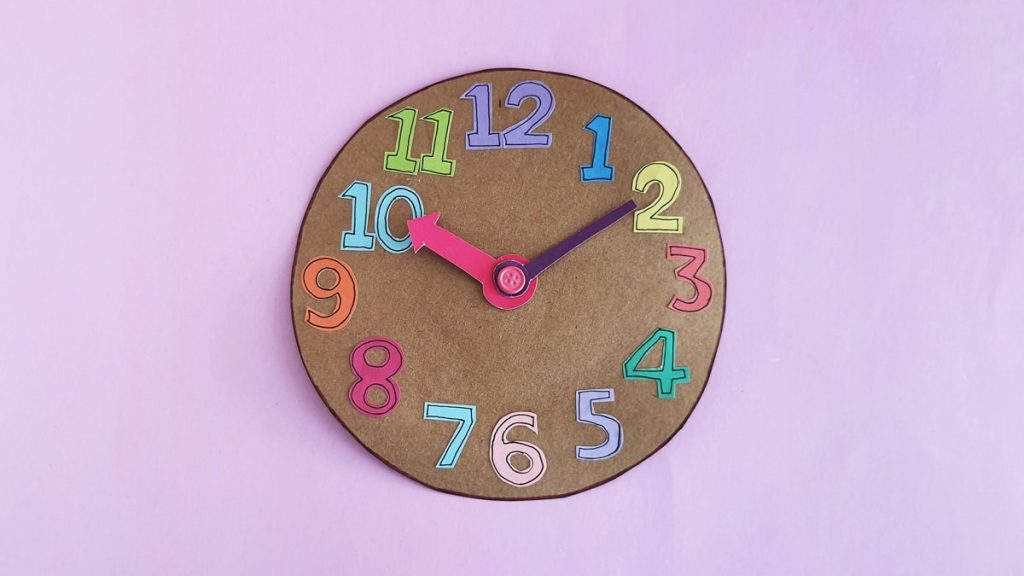
Imagine a game that captivates your attention with just one simple question: “What color is the clock on the wall?” Sounds easy, right?
But don’t be fooled by its simplicity. This game challenges your perception and memory, turning an ordinary observation into a thrilling mental exercise. Have you ever walked into a room and overlooked the details around you? You’re not alone. Our brains often filter out what seems unimportant.
But what if you could train yourself to notice the subtle nuances that usually escape your attention? This game does exactly that, inviting you to sharpen your focus and improve your memory. Why does this matter to you? Because in a world full of distractions, enhancing your ability to concentrate can lead to better productivity and mental clarity. This game offers a fun way to practice mindfulness, helping you pay attention to what’s right in front of you. Ready to discover how this simple question can transform the way you see the world? Keep reading to unlock the secrets behind this intriguing challenge.
The Concept Behind The Game
Have you ever found yourself staring at a clock, pondering its color? “What Color is the Clock on the Wall” turns this simple curiosity into a game. Its concept is refreshingly straightforward yet surprisingly captivating. The game invites you to focus on details often overlooked, sharpening your observational skills and testing your memory.
Imagine walking into a room and instantly noticing things you usually ignore. That’s the essence of this game.
At its core, the game encourages you to pay attention to your surroundings. How often do you enter a room without truly noticing the decor? This game challenges you to become more observant, to engage actively with your environment. It’s a gentle reminder that details matter.
Try it out next time you visit a friend’s house. See how quickly you can recall the color of the clock when asked. It might surprise you how much you miss when you don’t consciously observe.
Remembering the color of a clock may sound trivial, but it’s a great way to test your memory. The game turns this simple task into a playful challenge. It’s perfect for all ages, offering a light-hearted approach to exercising your brain.
Have you ever been confident about a detail only to find out you were wrong? That’s the fun of this game—allowing you to laugh at your lapses and encouraging you to improve.
The game’s simplicity is its brilliance. By focusing on something as mundane as a clock’s color, you boost your attention to detail. This skill can translate into other areas of life, enhancing your ability to notice the finer points in everything you do.
Consider how this heightened attention can benefit your daily tasks. Whether you’re organizing a project or decorating a room, the ability to pick up on details can make a significant difference.
Why Does It Matter?
So, why does the color of the clock matter? It’s about fostering mindfulness. When you take the time to notice, you’re practicing being present. This game subtly encourages you to slow down and appreciate the details around you, promoting a mindful approach to everyday life.
Next time you’re asked about the clock’s color, think of it as more than just a trivia question. It’s an opportunity to engage with your surroundings in a meaningful way.
How To Play
Identify the clock color on the wall quickly. Simple gameplay makes it an ideal choice for light entertainment. Engage your observation skills in this easy, enjoyable game.
Playing ‘What Color is the Clock on the Wall?’ is simple and fun. This game tests observation skills. It challenges players to pay attention to details. Perfect for families and friends, it can be played anywhere. Let’s dive into how you can play this engaging game.Setting Up The Game
First, choose a room with a clock on the wall. Make sure everyone can see the clock clearly. Gather all players and explain the rules.Understanding The Rules
Each player must take turns describing the clock. Focus on the color of the clock. Players must guess without consulting others. The goal is to remember and describe accurately.Taking Turns
Decide who starts first. Players should take turns in a clockwise direction. Each player gets one chance to guess the color. Ensure everyone has a turn to participate.Scoring Points
Correct guesses earn points. Keep track of each player’s score. The player with the most points wins. This keeps the game competitive and exciting.Declaring The Winner
After all rounds, tally up the scores. Celebrate the player with the highest score. Encourage everyone to play again for more fun. Playing this game sharpens your observation skills. It fosters teamwork and friendly competition. Enjoy the game and challenge your memory!Game Rules And Objectives
The objective is to quickly guess the color of the clock on the wall. Players must choose from multiple color options. This simple game tests observation skills and speed.
Understanding the game rules and objectives of “What Color is the Clock on the Wall Easiest Game” sets the stage for a fun experience. This game challenges players to recall specific details about a clock in a room. It tests memory and attention to detail, making it both entertaining and educational. Let’s dive into the game’s rules and objectives.Game Setup
First, set up the game environment. Place a clock on a visible wall. Ensure the room is well-lit so players can see the clock clearly. Gather participants and explain the purpose of the game.Objective Of The Game
The main goal is simple: identify the clock’s color. Players must remember the clock’s color accurately. This objective encourages focus and observation skills. It’s a test of memory against distraction.Game Rules
- Players have one minute to observe the clock.
- No talking or asking questions during observation.
- Once the time is up, players must turn away.
- Each player writes down the clock’s color.
- Discuss answers after everyone has submitted their guess.
Winning Criteria
The winner is the player with the correct answer. If multiple players guess correctly, they share the victory. This encourages competition and sharpens memory retention skills.Variations To Enhance Challenge
To increase difficulty, change the clock’s position or color. Introduce distractions, like music or noise. This variation adds complexity and makes the game more engaging.Why It’s Called The Easiest Game
‘What Color is the Clock on the Wall Easiest Game’ is known for its simplicity. The game asks straightforward questions, making it easy to play and enjoy. No complex rules, just fun.
Why is a game called the easiest? The answer lies in its simplicity and the immediate gratification it offers. “What Color is the Clock on the Wall” is a game that epitomizes this concept. With its straightforward premise, it allows players to engage without any complex rules or strategies.Understanding The Basics
The game’s core appeal is its simplicity. You are presented with a question, and the answer is as easy as looking at a clock. Imagine a game where the only requirement is to observe and answer—no elaborate instructions or tutorials needed.Instant Gratification
This game taps into the joy of instant success. The satisfaction of answering correctly with minimal effort is a powerful motivator. It offers a quick confidence boost, making you feel accomplished in seconds.No Prior Experience Required
Anyone can play, regardless of age or gaming background. Whether you’re a seasoned gamer or a complete novice, the game levels the playing field. This inclusivity is a big part of why it’s dubbed the easiest game.Perfect For Short Breaks
With its quick rounds, it’s ideal for those fleeting moments of downtime. Whether you’re waiting for a coffee or a bus, you can jump in and play. This flexibility caters to busy lifestyles, making it a go-to choice for many.Engaging Without Commitment
Unlike games that require hours to complete, this one respects your time. You engage at your own pace without the pressure of long-term commitment. It’s the perfect escape without any strings attached.A Fun Way To Challenge Perception
Despite its simplicity, it subtly challenges your observation skills. You might find yourself questioning things you take for granted. It’s a playful reminder of how details can often be overlooked. Wouldn’t it be refreshing to embrace a game that’s as easy as pie, yet keeps you on your toes? “What Color is the Clock on the Wall” invites you to do just that.Surprising Challenges
The game “What Color is the Clock on the Wall” seems simple at first glance, but as you delve deeper, surprising challenges emerge that test your attention and memory. It’s not just about identifying colors; it’s about the nuances that make your brain work harder. This game demands a keen eye for detail and a sharp memory, making it an unexpectedly engaging experience.
Unexpected Twists
What makes this game tricky is the way it plays with your expectations. Just when you think you’ve got it figured out, an unexpected twist can leave you puzzled. For instance, the clock might change color subtly, forcing you to question your initial observation. This keeps you on your toes, making every round feel fresh and challenging.
Memory Tests
Another surprising challenge is the game’s ability to test your memory. Can you remember the color of the clock after several distractions? This aspect of the game pushes you to improve your cognitive skills. You might find yourself practicing memory exercises just to keep up, which can be a fun and rewarding challenge in itself.
Attention To Detail
The game excels at honing your attention to detail. You’ll quickly learn that it’s not just about seeing the clock but noticing the subtle differences in color shades. This skill can be beneficial in everyday life, where attention to detail can make a significant difference in your work and personal interactions.
Breaking Down Assumptions
Have you ever been so sure of something, only to find out you were wrong? This game challenges your assumptions and forces you to reconsider what you know. It shows how easily we can be misled by our brains and how vital it is to question everything. It’s a humbling experience that can teach you to be more cautious and observant.
Can You Handle The Pressure?
Pressure is another element that adds to the challenge. As the rounds progress, you might feel the time ticking away, adding a layer of stress that affects your decision-making. Can you maintain composure and make accurate observations under pressure? This aspect of the game tests not only your skills but also your mental fortitude.
These surprising challenges make “What Color is the Clock on the Wall” more than just a game; they transform it into a valuable exercise for your brain. Are you up for the challenge?

Credit: www.amazon.com
Tips For Success
Playing “What Color is the Clock on the Wall?” can be exciting. Success in this game requires focus and strategy. Here are some tips to help you win.
Understand The Game Rules
First, grasp the basic rules of the game. Knowing what is expected helps you respond quickly. This understanding minimizes mistakes and boosts your confidence.
Practice Regularly
Frequent practice improves your reaction time. It helps you get familiar with the game’s pace. Set aside time daily to play and improve.
Stay Calm Under Pressure
Staying calm is crucial for success. Try deep breathing to maintain focus. A calm mind helps you make better decisions during the game.
Observe Patterns
Look for patterns in the game. Recognizing patterns aids in predicting the next move. This skill can give you an advantage over others.
Enhance Your Focus
Focus is key in fast-paced games. Reduce distractions in your environment. Concentration helps you notice details and improve performance.
Adjust Your Strategy
Be ready to change your strategy if needed. Flexibility can help you adapt to different challenges. This adaptability makes you a better player.
Review Your Performance
After playing, review your performance. Identify areas for improvement. Reflecting on your gameplay helps refine your skills for future games.
Stay Positive
Maintain a positive attitude even if you lose. Positivity boosts your morale and keeps you motivated. A positive mindset is crucial for long-term success.
Feedback From Players
Players love the simplicity of the game, “What Color is the Clock on the Wall. ” Its straightforward gameplay keeps them engaged and entertained.
Feedback from players of “What Color is the Clock on the Wall Easiest Game” has been diverse and insightful. Gamers have shared their thoughts on gameplay, design, and overall experience. This feedback helps new players understand what they might enjoy or find challenging. Below are some of the common opinions and experiences shared by players.Positive Experiences
Many players find the game relaxing. They mention its simplicity as a major draw. The straightforward mechanics make it easy to pick up. Players appreciate the lack of pressure. This creates a stress-free gaming environment. The vibrant colors and engaging visuals also receive praise. These elements make the game visually appealing.Challenges And Difficulties
Some players point out areas of improvement. The game can become repetitive over time. A few suggest adding new features for variety. Others mention difficulty spikes. They feel certain levels are unexpectedly hard. This can be frustrating for some players. Feedback suggests balancing these levels.Community And Social Interaction
The game has a friendly community. Players enjoy sharing tips and tricks. Online forums and groups are active. These platforms help players connect and engage. Social interaction enhances the gaming experience. It builds a sense of belonging among players.Suggestions For Improvement
Players have a few suggestions for developers. Introducing new levels is a popular request. This would add fresh challenges. Others suggest customizable settings. This could enhance the user experience. Feedback emphasizes a desire for updates. Overall, player feedback highlights the game’s appeal and areas for growth. This input is valuable for both new players and developers.
Credit: owlconic.com
Adapting The Game For Different Audiences
Tweaking the game’s design helps engage diverse audiences. Simple visuals and intuitive gameplay make understanding easy for everyone. The game’s color-focused questions spark curiosity, ensuring players of all ages enjoy the experience.
Adapting the ‘What Color is the Clock on the Wall’ game for different audiences can transform a simple guessing game into an entertaining experience for everyone. Whether you’re playing with children, adults, or mixed-age groups, tailoring the game can enhance engagement and enjoyment. The challenge lies in making it accessible and enjoyable for all, without losing the essence of the game.Adapting For Children
Children love games that are vibrant and simple. You can introduce colorful clocks with animal themes or cartoon characters. Make the game interactive by allowing kids to draw their own clocks and guess the colors. Use rewards like stickers or small toys to encourage participation. This not only keeps them interested but also adds an element of surprise. Ask yourself, how can you make learning fun through play? Incorporating educational elements can be a great way to teach colors and shapes.Adapting For Adults
Adults might appreciate a more challenging version of the game. Introduce timers to add excitement and test their quick thinking skills. Consider incorporating trivia questions related to timepieces or history for a more intellectual twist. This adds depth and makes the game suitable for gatherings or parties. Could adding a competitive edge make the game more exciting for adults? Try organizing teams and see how it changes the dynamics.Adapting For Mixed-age Groups
In mixed-age groups, balance is key. Design the game so that both kids and adults find it engaging. Use clocks with varying levels of complexity. Create teams with mixed ages to foster interaction. This encourages communication and builds camaraderie among participants. What if you could make the game a tool for bonding? A shared experience can create lasting memories, turning a simple game into a cherished moment.The Fun Factor
The Fun Factor of the game “What Color is the Clock on the Wall” is what truly sets it apart from the plethora of mobile games available. It’s a simple concept, yet it offers endless entertainment. The game challenges your perception and memory in a way that keeps you coming back for more. Let’s dive into why this game is so irresistibly fun!
The Challenge Of Simplicity
Sometimes the simplest games are the most addictive. “What Color is the Clock on the Wall” proves this point beautifully. The straightforward task of remembering the clock’s color hooks you in. But as the game progresses, the challenge intensifies, teasing your brain and tempting you to try just one more time.
Quick And Refreshing Gameplay
In our fast-paced world, finding time for gaming can be tough. This game offers a quick yet satisfying escape. You can play it during a coffee break or while waiting for a friend. Each round is brief, making it perfect for short bursts of fun without commitment.
Competitive Edge
Have you ever felt the thrill of competing against your own best score? This game taps into that excitement perfectly. It records your high scores and gives you a reason to strive for better performance. Imagine the satisfaction of beating your own record!
Social Connection
Games are more fun when shared, right? With “What Color is the Clock on the Wall,” you can invite friends to join the challenge. Compare scores and enjoy a friendly rivalry. It’s a unique way to bond and share laughs over the quirky details of the game.
Unexpected Twists
Just when you think you’ve mastered it, the game surprises you. The colors change unexpectedly and keep you on your toes. You might find yourself questioning your memory, but that’s part of the fun! It keeps the experience fresh and engaging.
Ultimately, the fun factor lies in the game’s ability to challenge yet entertain. As you play, ask yourself: Can you remember the color of the clock? And, more importantly, can you beat your own best score?

Credit: owlconic.com
Frequently Asked Questions
What Is The Clock Game About?
The clock game involves identifying the color of a clock on a wall. It’s designed to test observation skills, focusing on visual perception. Players must quickly determine the color among various options provided in the game. This simple yet engaging concept makes it a popular choice for casual gamers.
How Can I Play The Clock Game?
To play the clock game, start by observing the wall clock’s color. The game usually provides multiple color options. Select the color you believe matches the clock on the wall. This activity helps sharpen attention and boosts cognitive abilities by challenging your observation skills.
Why Is The Clock Game Popular?
The clock game is popular due to its simplicity and engaging nature. It offers a quick challenge that requires minimal effort. Players enjoy testing their observational skills while competing for the fastest and most accurate answers. This combination of fun and mental exercise draws in many casual gamers.
What Skills Does The Clock Game Improve?
Playing the clock game enhances observation and attention skills. It requires players to quickly and accurately identify colors. This boosts cognitive abilities and sharpens focus. Regularly playing such games can improve visual perception and speed in processing visual information, making it beneficial for mental agility.
Conclusion
The game “What Color is the Clock on the Wall” is simple fun. It tests your observation skills with an easy concept. Players of all ages can enjoy it. The game’s simplicity makes it accessible to everyone. No need for complex strategies or skills.
Just focus on the details. This game is perfect for a quick break. Enjoy the challenge and see how sharp your eyes are. It offers a light-hearted way to engage your mind. So, gather friends or family, and play together.
A great way to spend time and have fun.


